
Alcohol Addiction Centers in Maryland
AlcoholRehabMaryland connects you with SAMHSA-verified alcohol treatment centers throughout Maryland offering medical detox, inpatient treatment, PHP, IOP, and standard outpatient programs for alcohol use disorder. Most facilities accept commercial insurance and Maryland Medicaid. Browse our directory to compare alcohol rehab programs by treatment intensity, location, and insurance coverage — or reach our 24/7 hotline for same-day placement support.
Signs and Symptoms of Alcohol Use Disorder
Alcohol use disorder is a treatable medical condition. Recognizing warning indicators early — in your own behavior or someone close to you — accelerates entry into evidence-based care and substantially enhances recovery success.
Physical Signs
- •Changes in eating habits, sleeping patterns, or daytime energy
- •Unexplained weight fluctuation
- •Flushed facial coloring or visible blood vessels on face and nose
- •Noticeable decline in appearance and self-care
- •Tremors in the hands, especially upon waking
- •Slurred speech, poor balance, or reduced motor control
Behavioral Signs
- •Consuming alcohol in quantities exceeding original intention
- •Multiple unsuccessful attempts to limit or discontinue drinking
- •Significant time spent obtaining alcohol, drinking, or managing hangovers
- •Failure to handle obligations at workplace, education, or home
- •Continuing alcohol use despite obvious damage to relationships
- •Abandoning previously important hobbies, relationships, or activities
Psychological Signs
- •Overpowering desire for alcohol, especially during stress
- •Mood swings, impatience, or heightened stress when unable to drink
- •Turning to alcohol as the primary way to handle emotions or problems
- •Impaired judgment, poor decision-making, and reduced self-control
If you observe these indicators in yourself or your loved ones, reach out to +1 (888) 441-2033 for a confidential evaluation — available 24/7.
Alcohol Treatment Program Types
Effective alcohol use disorder treatment moves through organized levels of care — from medically monitored detoxification to long-term recovery support. The appropriate level depends on alcohol dependence severity, co-occurring disorders, and personal circumstances.
Medical Detox
3–7 daysMedically supervised alcohol withdrawal under continuous nursing and physician supervision. Essential for individuals with severe alcohol dependence before residential or outpatient programs. Medical detox reduces untreated alcohol withdrawal mortality from up to 15% to under 1%.
Residential Treatment (Inpatient)
28–90 daysRound-the-clock clinical supervision in a structured residential environment. Programs incorporate cognitive behavioral therapy (CBT), group sessions, family involvement, and relapse prevention education. Ideal for moderate-to-severe alcohol use disorder or when home circumstances complicate recovery.
Partial Hospitalization Program (PHP)
4–6 hours/day, 5 days/weekIntensive daytime treatment with evening discharge to home. PHP functions as a transition from residential care or an upgrade from IOP, allowing concentrated therapy while preserving evening family time and household stability.
Intensive Outpatient Program (IOP)
9–20 hours/weekOrganized group and individual therapy while balancing employment, education, or family duties. IOP represents the standard progression following PHP or residential programs and suits mild-to-moderate alcohol use disorder.
Standard Outpatient
1–3 sessions/weekOngoing individual therapy, group support, and relapse prevention for stable early recovery. Numerous centers provide alumni networks, peer recovery groups, sober housing referrals, and online appointments for individuals in remote regions.
Alcohol Withdrawal: Symptoms, Timeline, and Medical Detox Support
Alcohol withdrawal develops when someone stops or significantly reduces drinking after prolonged use. Symptoms vary from mildly uncomfortable to potentially fatal, depending on dependence severity. Medical detoxification provides safety during alcohol withdrawal under round-the-clock medical monitoring.
Early (6–24 hours)
Tremors, perspiration, nervousness, headache, nausea, rapid pulse
Peak (24–72 hours)
Vomiting, diarrhea, elevated blood pressure and heart rate, hallucinations, seizure risk, severe cravings
Resolution (5–10 days)
Gradual improvement; lingering exhaustion, emotional instability, and insomnia may extend 1–2 weeks
Common Withdrawal Symptoms
Medical detox cuts alcohol withdrawal mortality risk from up to 15% in untreated severe cases to under 1%. Do not attempt alcohol detoxification alone — dangerous complications including seizures, delirium tremens, and cardiac failure can prove fatal. Seek medical supervision immediately.
Post-Acute Withdrawal Syndrome (PAWS) — featuring ongoing mood swings, sleep difficulties, and cravings — can persist for weeks following acute withdrawal. Medication-assisted treatment (MAT) with naltrexone or acamprosate and ongoing counseling significantly reduce PAWS effects.
Medication-Assisted Treatment (MAT) for Alcohol Use Disorder
MAT integrates FDA-approved medications with behavioral support to manage alcohol use disorder. SAMHSA and the American Society of Addiction Medicine (ASAM) recommend MAT as the standard treatment — decreasing relapse rates by 40–50% and boosting treatment continuation in research settings.
Naltrexone
A medication that blocks opioid receptors in the brain, reducing alcohol cravings and preventing the rewarding sensation from drinking. Taken as daily tablets or monthly injections (Vivitrol).
Moderate to severe alcohol use disorder; individuals who completed alcohol detoxification
Prescribed by physicians in office or via telehealth. Available at all pharmacies. Injectable form available through specialized clinics.
Acamprosate
Stabilizes the brain's chemical balance disrupted by prolonged alcohol use. Taken three times daily, reducing cravings without creating dependence.
Maintaining sobriety after alcohol detoxification; patients with mild to moderate alcohol use disorder
Standard oral prescription; does not require specialized licensing. Covered by most insurance including Maryland Medicaid.
Disulfiram
Creates an intensely uncomfortable reaction (flushing, nausea, vomiting) when combined with alcohol, serving as a strong deterrent. Must be taken daily when committed to abstinence.
Highly motivated individuals in early recovery seeking additional behavioral support
Older medication available at all pharmacies. Requires commitment to complete alcohol avoidance. Insurance coverage varies.
Baclofen
A muscle relaxant used off-label to reduce alcohol cravings and anxiety during recovery. Growing evidence supports its effectiveness for mild-to-moderate alcohol use disorder.
Alcohol use disorder with co-occurring anxiety; individuals seeking alternatives to other MAT medications
Prescribed off-label by addiction specialists. Coverage varies by insurance plan.
MAT is evidence-based treatment, not substitution therapy. FDA-approved alcohol medications reduce brain craving signals, restore chemical equilibrium, and enable engagement in counseling and recovery activities — accelerating lasting sobriety.
What Does Alcohol Rehab Cost?
Alcohol treatment expenses depend on program intensity, length, and coverage status. Most commercial insurance policies are mandated by the Mental Health Parity and Addiction Equity Act to provide the same coverage for substance use treatment as standard medical conditions.
| Program Type | Without Insurance | With Insurance |
|---|---|---|
| Alcohol Medical Detox (7 days) | $1,500–$8,000 | Typically fully covered |
| Alcohol Residential Treatment (30 days) | $6,000–$30,000 | 50–100% covered |
| PHP for Alcohol (4 weeks) | $3,000–$10,000 | Usually covered |
| IOP for Alcohol (8 weeks) | $1,400–$5,000 | Usually covered |
| Outpatient for Alcohol (12 weeks) | $500–$2,000 | Co-payment applies |
Major insurers including Blue Cross Blue Shield, Aetna, Cigna, UnitedHealthcare, and Humana, plus Maryland Medicaid, are legally mandated to fund substance use treatment. Our counselors can determine your coverage details in under 2 minutes.
How to Find Your Ideal Alcohol Rehab
AlcoholRehabMaryland streamlines the process of locating verified, insurance-covered alcohol treatment — from first search to prompt admission.
Search & Filter
Browse our SAMHSA-verified directory of Maryland alcohol rehabs by location, ZIP code, insurance provider, treatment level (detox, residential, PHP, IOP, outpatient), and specialty programs. Each listing displays accreditation credentials, covered insurance plans, and available therapy modalities.
Call Our Free Hotline
Reach a trained recovery specialist at +1 (888) 441-2033 — available 24/7, free, and private. Our specialists review your situation, address your concerns about alcohol treatment, and suggest programs tailored to your medical requirements.
Confirm Your Benefits
Our benefits team verifies your coverage directly with your insurance company to confirm eligibility, out-of-pocket expenses, and in-network alcohol treatment programs. If you lack insurance, we evaluate Medicaid eligibility and state-supported treatment options. This verification takes around 10 minutes with no commitment required.
Start Recovery
After placement, most alcohol rehab centers arrange admission within 24–48 hours. Your clinical team develops a personalized recovery plan incorporating medical detoxification, research-backed therapies (CBT, MAT, MI), and a comprehensive 12-month recovery strategy.
Selecting the Right Maryland Alcohol Rehab
The optimal treatment center aligns with your medical situation, insurance, geography, and preferred care structure. Assess any facility using these five criteria.
Accreditation Status
Seek Joint Commission Gold Seal, CARF accreditation, or NAATP membership — evidence of adherence to quality clinical benchmarks.
Evidence-Based Methods
The facility should provide CBT, alcohol MAT, and customized treatment planning — not group-only or 12-step-exclusive approaches.
Co-Occurring Disorder Expertise
If depression, anxiety, PTSD, or other psychiatric issues exist, choose centers providing simultaneous psychiatric and alcohol treatment.
Family Engagement
Excellent centers incorporate family counseling, educational sessions, and continued family involvement — addiction disrupts entire family systems.
Aftercare Architecture
Clarify alumni initiatives, group support networks, sober living connections, and follow-up contact plans — recovery extends past discharge.
Questions for Maryland Alcohol Treatment Centers
- 1.Which care levels do you provide (detox, residential, PHP, IOP)?
- 2.Do you take my insurance? What will I owe out-of-pocket?
- 3.What evidence-based therapies do you deliver (CBT, DBT, MAT)?
- 4.How do you manage co-occurring psychiatric conditions?
- 5.Describe your aftercare, alumni support, and 12-month planning.
- 6.What are your staff ratios and professional qualifications?
Featured Alcohol Rehab Centers
Explore our carefully selected alcohol treatment facilities with strong outcomes and proven track records
 Featured
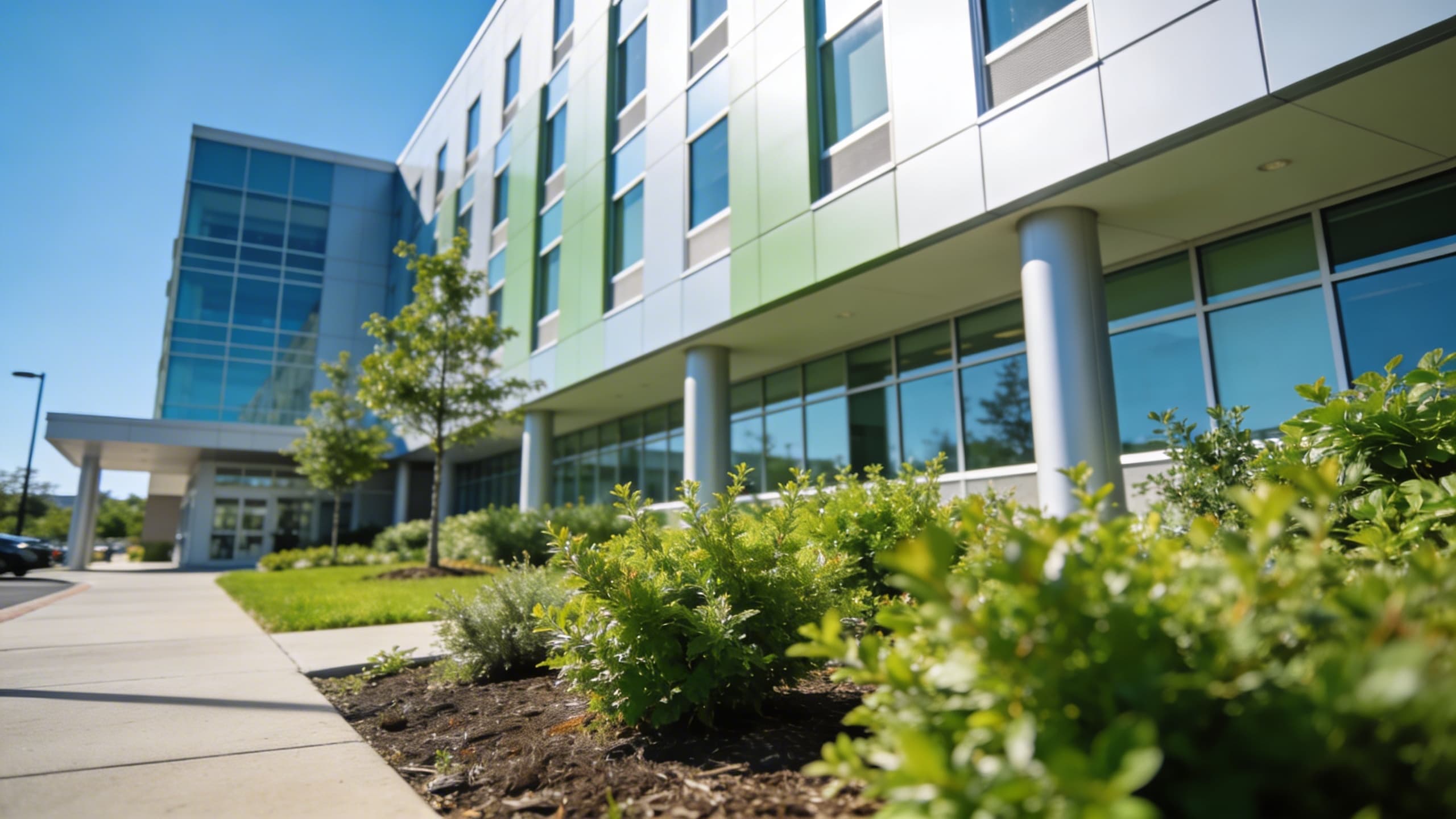
4 2 Restore LLC
Baltimore, MD
42 Restore LLC in Baltimore, MD provides comprehensive substance use treatment within supportive residential environments, including transitional housing and sober homes for men and seniors. The facility combines evidence-based therapies—cognitive behavioral therapy, motivational interviewing, and relapse prevention—with 12-step facilitation to address both immediate recovery needs and long-term sobriety. CARF-accredited and state-licensed, they offer flexible residential settings from short-term to long-term care tailored to individual recovery trajectories.
Services:
Featured4 2 Restore LLC
Windsor Mill, MD
42 Restore LLC in Windsor Mill, MD provides comprehensive detoxification and substance use treatment with specialized care for co-occurring mental health conditions in adults and emotional disturbances in children. The facility offers flexible treatment settings ranging from intensive hospital inpatient programs to outpatient services, utilizing evidence-based approaches including cognitive behavioral therapy, motivational interviewing, and trauma-focused counseling. Accredited by CARF and state agencies, 42 Restore serves adult men and women, young adults, and forensic clients requiring integrated behavioral health care.
Services:
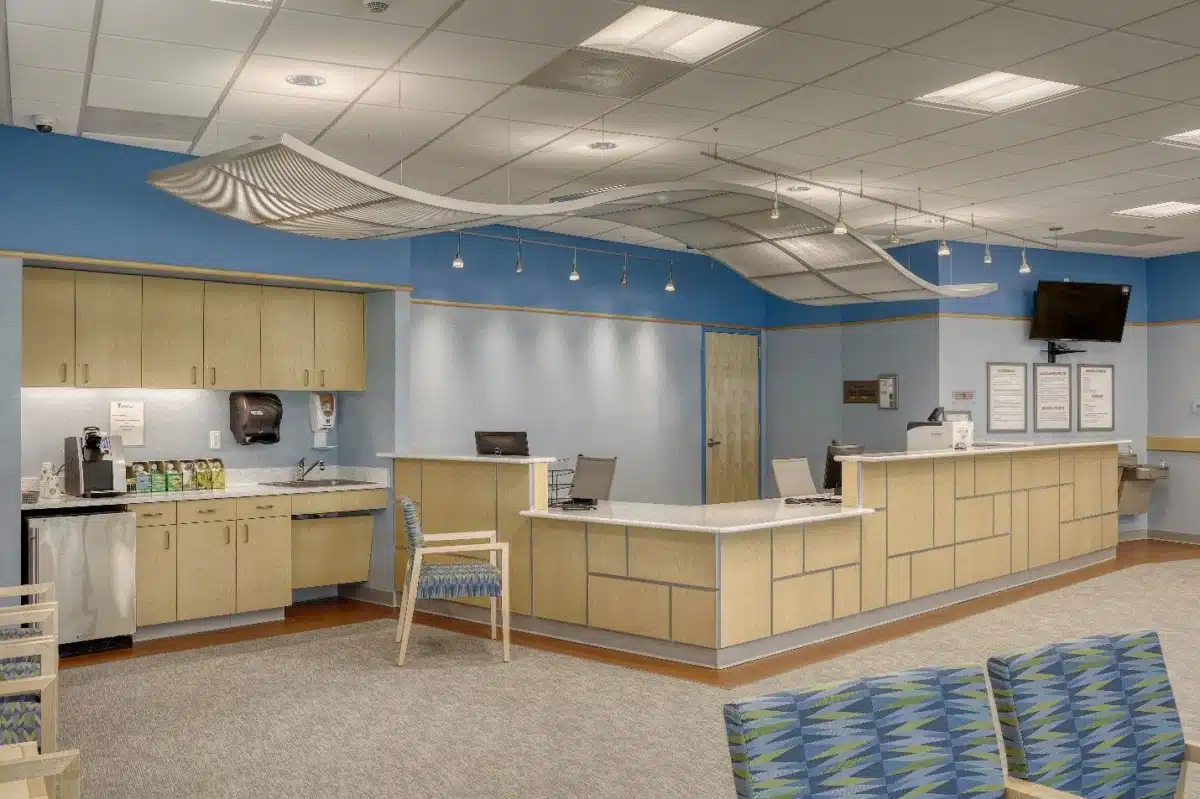
A Brighter Day Behav Health Center LLC
Jessup, MD
A Brighter Day Behav Health Center LLC in Jessup, MD specializes in comprehensive substance use treatment and co-occurring disorder services for adults and young adults. The center uses evidence-based approaches including cognitive behavioral therapy, motivational interviewing, and trauma-informed counseling to address both addiction and underlying mental health conditions. Accredited by CARF and state health departments, they offer flexible intensive outpatient and regular outpatient programming tailored to individual recovery needs.
Services:
A F Whitsitt Center
Chestertown, MD
A F Whitsitt Center in Chestertown, MD is a comprehensive addiction and mental health treatment facility offering detoxification, substance use treatment, and specialized care for co-occurring mental health conditions. The center provides multiple levels of care including hospital inpatient, residential, and long-term programs with evidence-based approaches such as cognitive behavioral therapy, motivational interviewing, and trauma-informed counseling. Serving diverse populations including veterans, LGBTQ+ clients, and individuals with specialized needs, the center is CARF-accredited and DEA-licensed.
Services:
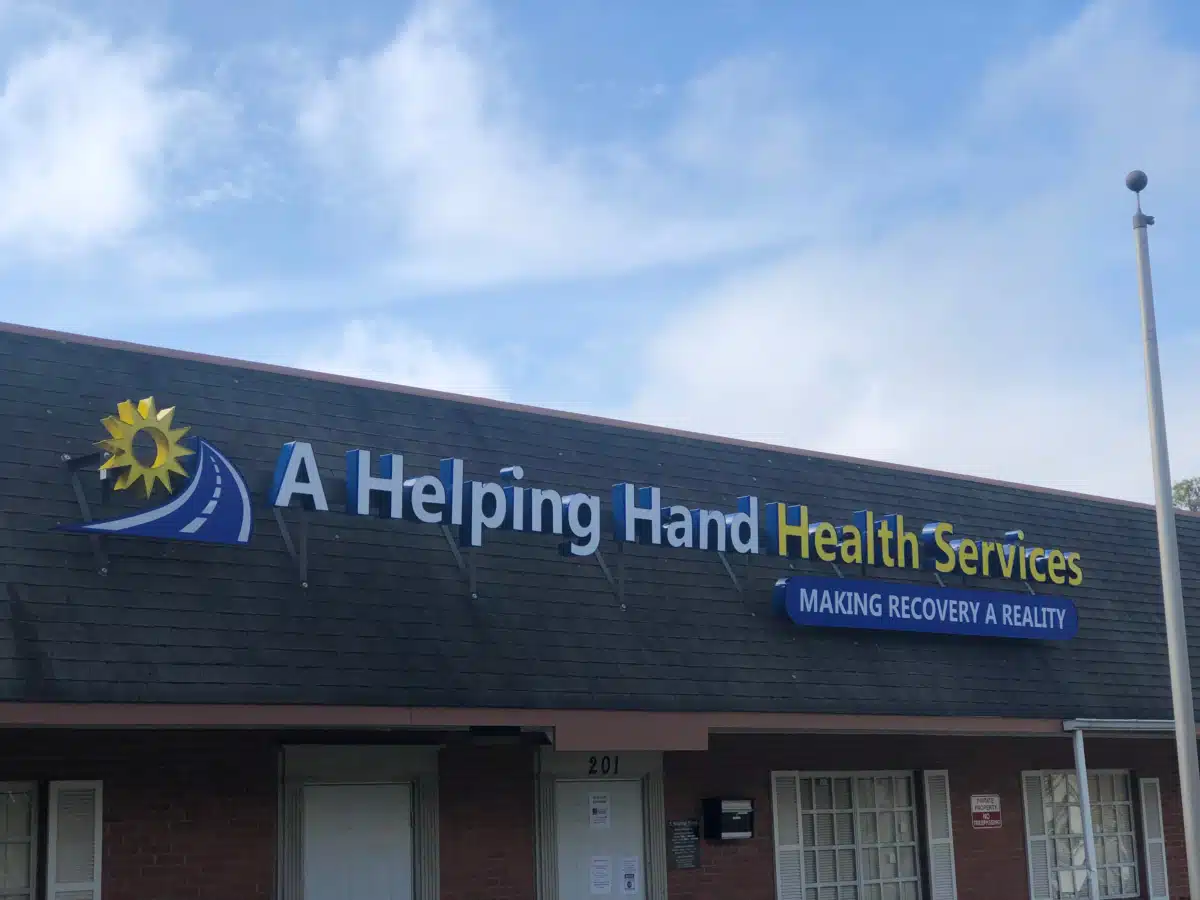
A Helping Hand Health Services LLC
Pikesville, MD
A Helping Hand Health Services LLC in Pikesville, MD specializes in comprehensive substance use treatment with flexible care options ranging from intensive outpatient to regular outpatient programs. The facility offers evidence-based therapies including cognitive behavioral therapy, motivational interviewing, and medication-assisted treatment with methadone, buprenorphine, or naltrexone. As a SAMHSA-certified opioid treatment program with CARF accreditation, they provide both in-person and telehealth services to ensure accessible recovery support.
Services:
A Plus Counseling Center
Fort Washington, MD
A Plus Counseling Center in Fort Washington, MD provides comprehensive substance use treatment and mental health services for diverse populations, including active duty military, veterans, and trauma survivors. The center specializes in co-occurring disorder treatment using evidence-based approaches like cognitive behavioral therapy, motivational interviewing, and relapse prevention. With both in-person and telehealth options, A Plus offers flexible outpatient and intensive outpatient care, including medication-assisted treatment and detoxification services.
Services:
Proven Methods for Alcohol Use Disorder Recovery
AlcoholRehabMaryland lists Maryland alcohol rehab centers utilizing research-backed methods — most comprehensive programs blend multiple approaches customized to each individual's requirements.
Cognitive Behavioral Therapy (CBT)
Rewires harmful thinking and behavioral habits that promote alcohol consumption. CBT is the most evidence-supported psychotherapy for alcohol use disorder and enhances recovery outcomes significantly.
Medication-Assisted Treatment (MAT)
FDA-approved alcohol medications — naltrexone, acamprosate, and disulfiram — minimize cravings and relapse likelihood. SAMHSA and ASAM recognize MAT as first-line treatment for alcohol use disorder.
12-Step Facilitation
Peer-based recovery communities (AA) combined with medical treatment. Studies show 12-step engagement alongside professional therapy raises one-year sobriety by 20–30%.
Motivational Interviewing (MI)
A client-centered approach supporting intrinsic change motivation. Particularly beneficial for those questioning whether to begin or maintain alcohol treatment.
Dual Diagnosis Treatment
Parallel care for alcohol use disorder and co-occurring mental health conditions — despair, PTSD, worry, mood disorders. Approximately 50% of alcohol patients have concurrent mental illness.
Find Treatment by Type
Specialized programs designed to meet your unique recovery needs
Insurance and Payment Options
AlcoholRehabMaryland confirms that listed alcohol treatment facilities accept major insurance plans including Blue Cross Blue Shield, Aetna, Cigna, UnitedHealthcare, Humana, and Maryland Medicaid.


.svg?dpl=dpl_9q8T45emWckfAB4gZGF31HsWbeRQ)
Most alcohol rehabs in our directory maintain Joint Commission Gold Seal accreditation or CARF certification — evidence of quality standards. The Mental Health Parity and Addiction Equity Act mandates most insurers to cover alcohol use disorder treatment with parity to medical services.
Frequently Asked Questions About Alcohol Rehab
Common questions from individuals pursuing alcohol treatment involve expenses, duration, coverage, and program success — find straightforward responses.
How much does alcohol rehab cost in Maryland?
Costs range from $0 (through Maryland state programs) to $1,500–$2,500 per day for premium facilities. Most commercial insurance policies pay for alcohol treatment under federal parity mandates. The standard 30-day residential alcohol program with insurance typically results in $3,000–$10,000 out-of-pocket. Call our hotline for immediate insurance verification.
How long is rehab for alcohol addiction?
Medical detox for alcohol typically requires 3–7 days. Short-term residential programs operate 28–30 days. Standard inpatient alcohol treatment runs 60–90 days. Research demonstrates 90-day programs substantially outperform 30-day programs for moderate-to-severe alcohol use disorder recovery.
How do I pay for alcohol treatment in Maryland?
Start by calling your insurance provider about alcohol treatment coverage. Use our complimentary verification service — we confirm your benefits with your insurer immediately. Uninsured? We evaluate Maryland Medicaid eligibility or state-supported alcohol programs. The federal Parity Act mandates most insurers to cover addiction treatment identically to physical health services.
What is the most effective alcohol treatment program?
Evidence shows the strongest outcomes combine cognitive behavioral therapy (CBT), alcohol MAT medications (naltrexone or acamprosate), and 12-step integration. Effective programs simultaneously address co-occurring mental health issues (dual diagnosis). SAMHSA advises a minimum 90-day treatment duration for sustained recovery.
Alcohol Addiction by the Numbers
Understanding alcohol use disorder prevalence in Maryland and nationally highlights the importance of accessible treatment services.
Americans with alcohol use disorder (NIAAA, 2023)
Alcohol-related deaths annually in the United States (CDC, 2022)
Long-term recovery success rate with evidence-based treatment and follow-up care
Of individuals with alcohol use disorder receive formal treatment (SAMHSA)
Sources: National Institute on Alcohol Abuse and Alcoholism (NIAAA), CDC, SAMHSA
Understanding Alcohol Use Disorder
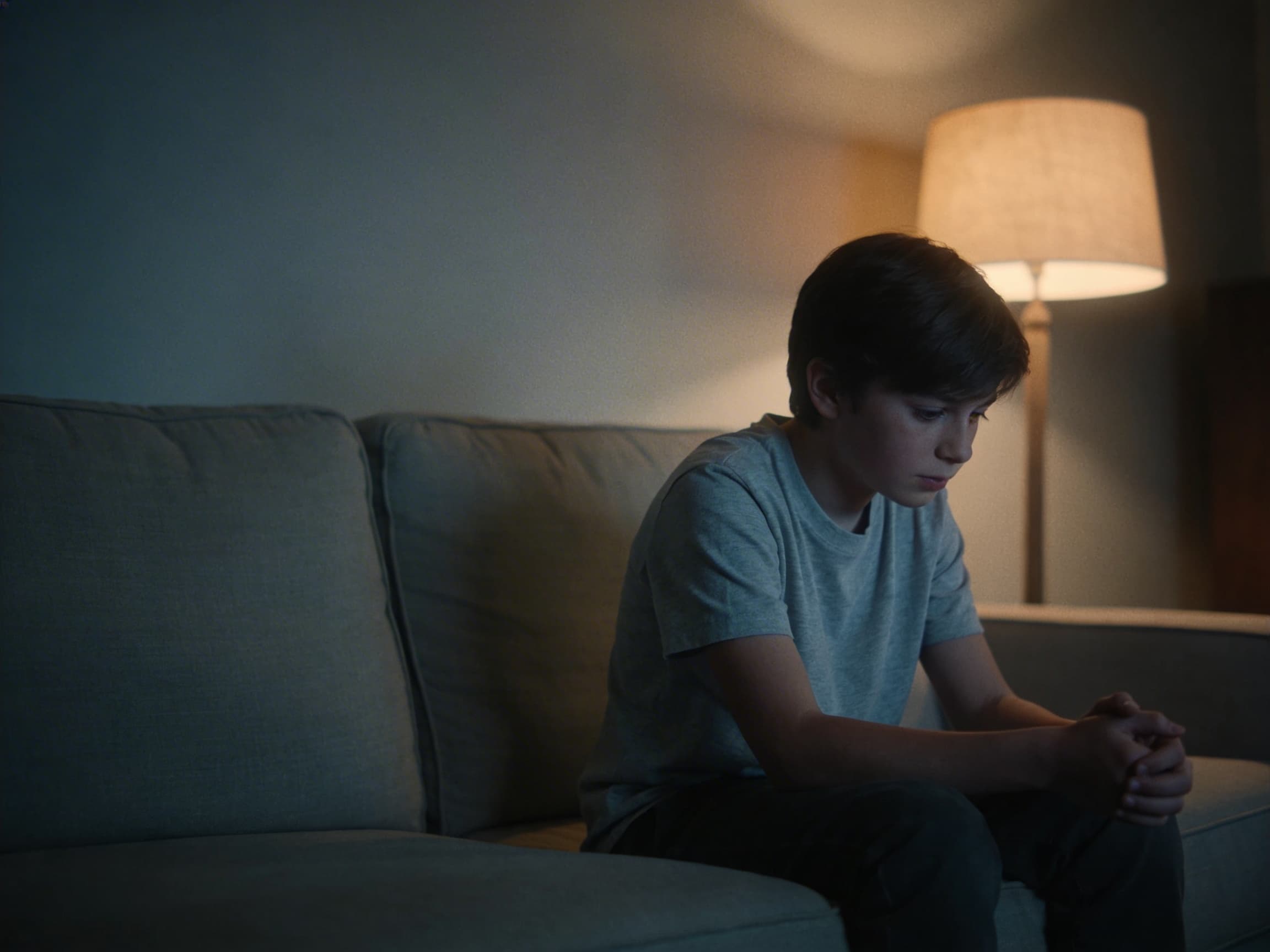
Alcohol use disorder touches an estimated 14.5 million U.S. adults (NIAAA, 2023), with 29.5 million reporting alcohol misuse in the previous year. Evidence-based residential and outpatient alcohol recovery programs achieve 40–60% sustained abstinence rates after one year with integrated aftercare — making specialized alcohol rehabilitation among the most successful medical treatments for chronic illness.

How AlcoholRehabMaryland Connects You to Verified Alcohol Care
AlcoholRehabMaryland maintains the most thorough verified Maryland alcohol treatment directory, cross-checked against SAMHSA registries, NIH research, and state licensure data. Every alcohol rehab listing reflects up-to-date certifications, insurance networks, CARF or Joint Commission accreditation credentials, and clinical modalities. Our round-the-clock specialists provide gratis, private assistance — without enrollment requirements.
How We Validate Maryland Alcohol Rehab Listings
AlcoholRehabMaryland maintains a verified Maryland alcohol treatment directory — every listing cross-references authoritative registries to guarantee precision and currency.
SAMHSA Treatment Locator
SAMHSA operates the national registry of authorized treatment providers offering substance use services.
NIH Behavioral Health Databases
National Institutes of Health research validates treatment effectiveness and facility performance metrics.
State Licensure Records
Each alcohol treatment center maintains current Maryland state licensure for substance use services.
CARF / Joint Commission
Accreditation credentials are confirmed for centers asserting CARF or Joint Commission certification.
AlcoholRehabMaryland avoids selling facility placements or charging for ranking positioning. Listings receive algorithmic ranking via verified metrics — including state certification, insurance participation, available levels of care, and clinical modalities.
Voices from People in Recovery
Genuine testimonies from individuals who found alcohol treatment via our platform.
“I discovered my treatment center through this directory in under 20 minutes. Following 20 years struggling with alcohol, I finished a 60-day residential program and maintain 14 months of continuous sobriety.”
James H.
Baltimore, MD
“The insurance verification process streamlined everything. I had no idea my policy covered IOP. The recovery specialist walked me step-by-step through everything.”
Angela R.
Silver Spring, MD
“As a concerned family member, I felt overwhelmed. The 24/7 line connected us with a dual diagnosis alcohol program addressing both addiction and my husband's depression — life-changing.”
Rebecca K.
Annapolis, MD
Maryland Alcohol Treatment Resources (Free & Low-Cost)
If professional treatment is unaffordable, Maryland provides free or reduced-cost alcohol recovery options through government funding.
SAMHSA National Helpline
Costless, private, 24/7 alcohol treatment connections and information. Call 1-800-662-HELP (4357).
Maryland Alcohol and Drug Abuse Administration (ADAA)
Maryland's substance abuse agency providing free and reduced-cost alcohol treatment referrals and information. Contact through the Maryland Department of Health.
Crisis Text Line
Free 24/7 crisis support via text message. Message HOME to 741741 to connect with a trained crisis counselor.
988 Suicide & Crisis Lifeline
Call or text 988 anytime for alcohol crisis, depression, or suicidal thoughts. Free, confidential, 24/7 support.
Why AlcoholRehabMaryland Is Maryland's Best Alcohol Treatment Directory
SAMHSA-Verified Alcohol Rehabs
AlcoholRehabMaryland cross-checks every Maryland alcohol center against SAMHSA's Treatment Locator and verifies current state licensure.
No Facility Payment Schemes
We refuse facility fees or premium listing payments. Results rank by verified data exclusively — never by advertising investment.
24/7 Maryland Recovery Counselors
Our recovery specialists deliver free, confidential guidance and can connect you with an insurance-compatible alcohol treatment facility within 24 hours. Phone +1 (888) 441-2033.
Full Treatment Transparency
Each alcohol rehab listing displays insurance networks, available care stages (detox, inpatient, IOP, outpatient), accreditation standing, and clinical modalities provided.
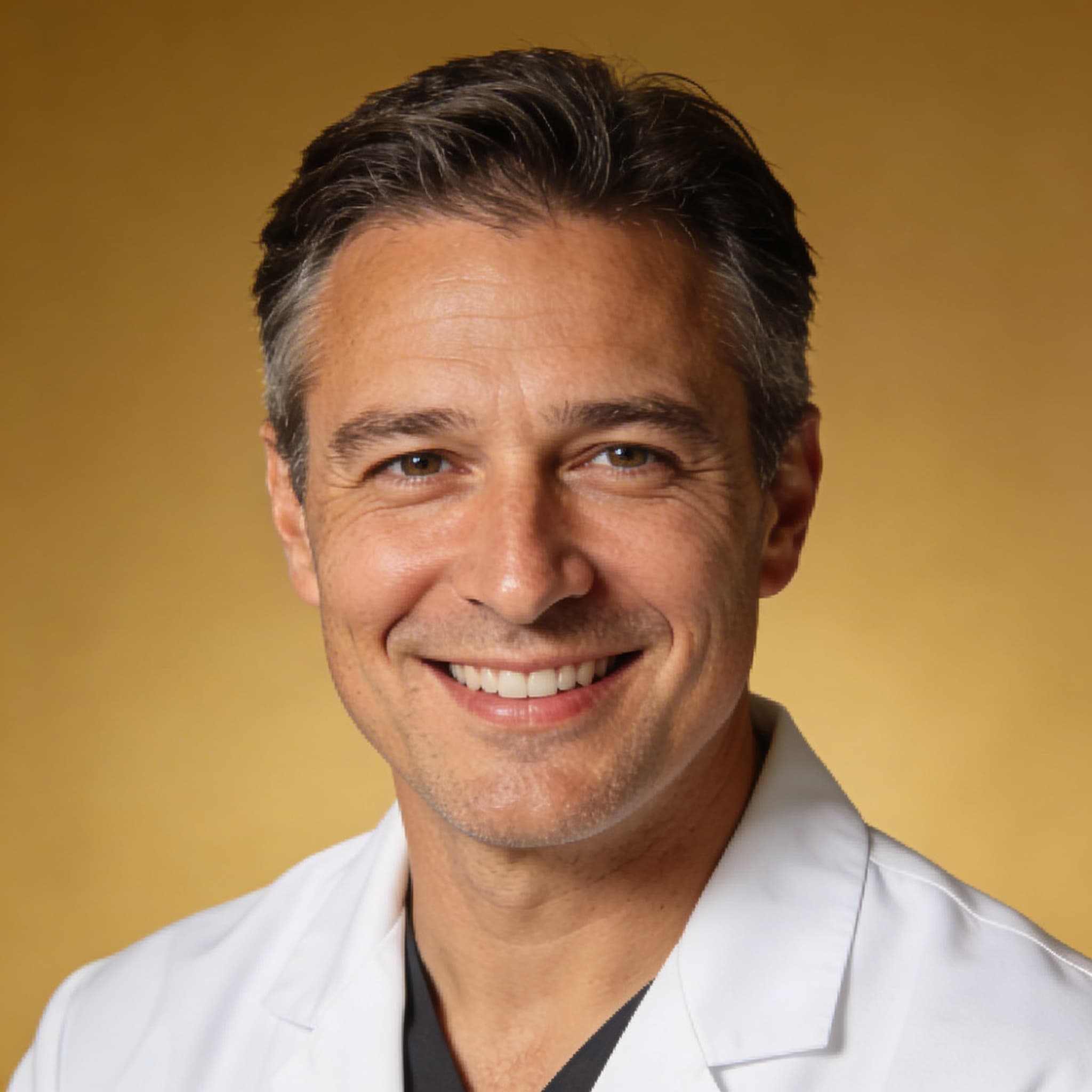
Clinically reviewed by
Dr. Michael Richardson
Clinical Psychologist
Dr. Richardson is a licensed clinical psychologist with over 15 years of experience specializing in substance use disorders and behavioral addictions. He has published extensively on cognitive behavioral therapy approaches in addiction treatment and currently leads the clinical psychology department at a major Maryland rehabilitation facility.
Editorial Policy
AlcoholRehabMaryland operates as an impartial alcohol treatment directory. We do not earn listing fees from facilities or accept payments for ranking elevation. Objective scoring determines all placements: active SAMHSA registration, current Maryland state licensure, insurance network status, and available treatment modalities. A licensed addiction specialist reviews content quarterly.
Sources Referenced on This Page
- National Institute on Alcohol Abuse and Alcoholism (NIAAA). Alcohol Use Disorder Facts and Statistics. NIH, 2024.
- Substance Abuse and Mental Health Services Administration (SAMHSA). 2023 National Survey on Drug Use and Health. DHHS, 2024.
- American Society of Addiction Medicine (ASAM). The ASAM Criteria: Treatment Criteria for Addictive, Substance-Related, and Co-Occurring Conditions. 2023.
- Moss, H.B., et al. (2020). Long-term recovery from alcohol use disorder: Predictors and outcomes. Alcoholism: Clinical and Experimental Research.
Medical Disclaimer
AlcoholRehabMaryland functions as an alcohol treatment resource and referral guide, not a licensed treatment facility. Content receives clinical review and references SAMHSA, NIH, and state-certified alcohol treatment providers. This information does not provide medical guidance, diagnosis, or therapy. All interactions comply with HIPAA confidentiality standards. If you experience a medical emergency, call 911. For alcohol assistance, contact SAMHSA's National Hotline: 1-800-662-HELP (4357), 24/7, costless, and private.
Prepared to Begin Alcohol Recovery?
Our compassionate specialists are standing by around-the-clock to connect you with the perfect alcohol treatment facility. Your conversation is fully confidential and complimentary.
Zero obligation • Complete confidentiality • 24/7 availability